Highlights
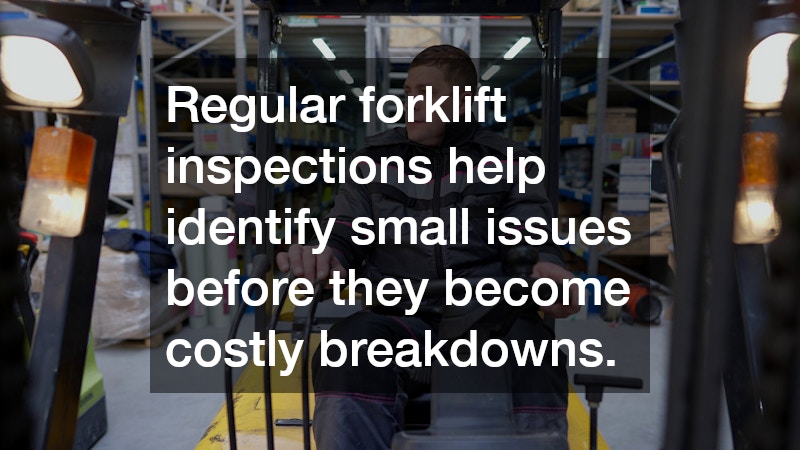
- Regular forklift inspections help identify small issues before they become costly breakdowns.
- Hydraulic leaks, steering problems, and worn tires are among the most common forklift repair concerns.
- Unusual noises, warning lights, and reduced lifting performance should never be ignored.
- Preventive maintenance improves workplace safety, equipment reliability, and operational efficiency.
- Scheduling repairs promptly can reduce unexpected downtime and extend the lifespan of a forklift.
- Following manufacturer recommendations and OSHA safety guidelines supports safer material handling operations.
What Are the Most Common Forklift Problems?
The most common forklift problems involve components that experience daily wear, including hydraulic systems, tires, brakes, steering assemblies, batteries, and engines or electric drive systems. Because forklifts operate under heavy loads and in demanding warehouse or industrial environments, even minor defects can quickly affect safety and productivity.
A forklift that struggles to lift loads, leaks hydraulic fluid, or displays dashboard warning lights should be inspected as soon as possible. Delaying repairs often increases the risk of equipment failure, unplanned downtime, and higher repair costs. Organizations that perform routine inspections and address issues early are generally better positioned to keep operations running efficiently while reducing the likelihood of workplace accidents. Recognizing these common warning signs allows operators and maintenance teams to take corrective action before a minor issue develops into a major mechanical failure.
How Can You Tell When a Forklift Needs Repairs?
A forklift usually provides several warning signs before a major breakdown occurs, making early intervention one of the most effective ways to reduce repair costs. Operators should pay close attention to unusual vibrations, grinding or squealing noises, slow lifting speeds, difficulty steering, excessive exhaust smoke, fluid leaks, or warning indicators on the instrument panel. Changes in braking performance or inconsistent acceleration should also be investigated immediately. Common indicators include:
- Hydraulic cylinders that move slowly or unevenly.
- Steering that feels stiff or requires extra effort.
- Brakes that squeal, slip, or require a longer stopping distance.
- Visible oil, coolant, or hydraulic fluid leaks beneath the equipment.
- Warning lights that remain illuminated after startup.
- Forks, mast components, or chains showing excessive wear or damage.
Promptly reporting these symptoms helps maintenance technicians diagnose problems before they compromise safety or productivity.
Why Should Hydraulic Problems Never Be Ignored?
Hydraulic systems are responsible for lifting, lowering, and positioning loads safely, making them one of the most critical parts of any forklift. When hydraulic components begin to fail, operators may notice slower lift speeds, jerky movements, reduced lifting capacity, or visible fluid leaks around hoses and cylinders. Ignoring these symptoms can place additional strain on pumps and valves while increasing the risk of dropped loads or equipment failure. Even a small hydraulic leak may lead to contamination, reduced system pressure, and costly component damage if left unaddressed. Routine inspections of hoses, seals, cylinders, and hydraulic fluid levels help identify wear before it becomes a serious operational concern. Scheduling repairs promptly helps restore proper lifting performance while supporting safe material handling practices throughout the workplace.
Which Components Require the Most Frequent Attention?
Several forklift components naturally wear over time because of continuous operation, heavy lifting, and frequent maneuvering. Monitoring these parts closely can help prevent unexpected equipment failures and extend the machine’s service life. Maintenance teams commonly inspect:
- Tires for uneven wear, chunking, or reduced traction.
- Brake pads, drums, and hydraulic brake components.
- Forks for cracks, bends, or excessive wear at the heel.
- Lift chains for stretching, corrosion, or inadequate lubrication.
- Batteries, charging systems, and electrical connections on electric forklifts.
- Engines, filters, belts, and cooling systems on internal combustion models.
- Mast rollers and bearings for excessive play or wear.
Routine replacement of worn components often costs significantly less than repairing damage caused by complete mechanical failure and helps maintain reliable day-to-day performance.
How Does Preventive Maintenance Reduce Repair Costs?
Preventive maintenance is one of the most effective ways to reduce emergency forklift repair expenses while improving equipment reliability. Scheduled inspections allow technicians to identify worn parts, fluid contamination, loose fasteners, and developing mechanical issues before they interrupt operations. Routine maintenance typically includes checking fluid levels, inspecting hydraulic hoses, testing brakes, lubricating moving components, verifying tire condition, and examining forks and lift chains for damage. Following a consistent maintenance schedule also helps businesses comply with workplace safety expectations while minimizing unexpected downtime. Instead of reacting to breakdowns after they occur, preventive maintenance allows repairs to be planned around operational needs, reducing disruptions to warehouse productivity. Over time, this proactive approach often extends equipment lifespan, improves operator confidence, and lowers the overall cost of ownership.
When Is the Right Time to Schedule Forklift Repairs?
The best time to schedule forklift repairs is as soon as a problem is identified rather than waiting until equipment can no longer operate safely. Even seemingly minor concerns—such as intermittent warning lights, slight hydraulic leaks, unusual noises, or gradual declines in lifting performance—can indicate developing mechanical failures. Addressing these issues promptly helps prevent more extensive damage while reducing the likelihood of unexpected downtime during busy production periods. Operators should also follow manufacturer-recommended maintenance intervals and complete required daily pre-operation inspections before each shift. Keeping detailed maintenance records makes it easier to identify recurring problems and schedule repairs proactively. A well-maintained forklift supports safer workplaces, improves operational efficiency, and helps organizations avoid costly emergency repairs that can disrupt material handling operations when productivity matters most.
Why Is Timely Forklift Repair a Smart Business Decision?
Timely forklift repair is about more than fixing mechanical problems—it is an investment in workplace safety, equipment reliability, and long-term operational performance. Identifying warning signs early, performing routine inspections, and scheduling repairs without delay help reduce breakdowns, extend equipment lifespan, and improve productivity across warehouses and industrial facilities. Preventive maintenance combined with prompt repairs allows businesses to protect employees while minimizing costly interruptions to daily operations. By treating small issues before they escalate into major failures, organizations can maximize the value of their material handling equipment and maintain a safer, more efficient workplace. Whether managing a single forklift or an entire fleet, consistent maintenance and professional repairs remain essential for keeping operations moving smoothly.
Sources
- Occupational Safety and Health Administration (OSHA) – Powered Industrial Trucks: https://www.osha.gov/powered-industrial-trucks
- CDC / National Institute for Occupational Safety and Health (NIOSH) – Forklift Safety: https://www.cdc.gov/niosh/topics/forklift/
- Canadian Centre for Occupational Health and Safety (CCOHS) – Powered Lift Trucks: https://www.ccohs.ca/oshanswers/safety_haz/materials-handling/powered_lift_trucks.