An auto collision forces drivers to make a series of high-stakes decisions under extreme stress. Within hours of an accident, you must manage immediate physical safety, navigate insurance claim protocols, evaluate complex legal rights, and determine the mechanical fate of your vehicle. Relying on guesswork, emotional reactions, or rushed recommendations from insurance adjusters often results in compromised vehicle safety, out-of-pocket financial losses, and diminished resale values.
Taking an objective, data-backed approach to post-crash vehicle recovery allows you to make decisions grounded in safety statistics, legal precedent, and consumer rights. Modern vehicles are complex ecosystems of delicate electronics, specialized metal alloys, and advanced safety systems. Restoring a collision-damaged vehicle—or deciding to write it off entirely—requires a clear understanding of repair economics, insurance regulations, and liability protection. By following a structured decision-making framework after a crash, you can protect your financial well-being, ensure your rights are preserved, and guarantee your vehicle returns to a safe, roadworthy condition.
Navigating Medical, Legal, and Financial Rights First
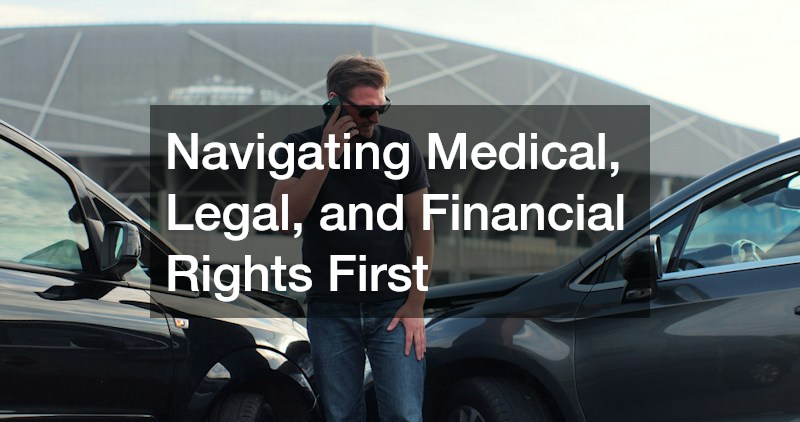
When involved in a vehicular accident, navigating the myriad of legal, medical, and financial rights can initially seem overwhelming. The initial phase following a collision requires immediate attention to legal and financial protection to safeguard your interests. Before agreeing to any vehicle repairs or signing paperwork from insurance carriers, it’s crucial to establish an accurate, detailed record of the event. This diligence ensures you rightly evaluate the true scope of your loss, both physically and financially. Insurance adjusters tend to operate with cost containment as their primary goal, which often results in initial settlement offers that fail to account for hidden damages. These can include long-term medical expenses and the depreciation of your vehicle’s structural integrity. Thorough documentation and professional assessment are critical to prevent these oversights.
- Document the Scene Methodically: After ensuring safety, it’s essential to gather high-resolution photographs of all aspects of the accident scene. This includes capturing images of all vehicle angles, skid marks, the condition of the road, traffic signals, and any visible physical injuries. The visual evidence should be comprehensive. Additionally, it’s wise to request a copy of the official police incident report, which serves as an objective account of the accident. Collecting contact details from independent witnesses can provide credible support for your version of events and strengthen your claims significantly before leaving the scene.
- Track Medical Evaluation Timelines: Seeking immediate medical evaluation is critical, even if your injuries appear minor or you feel physically fine. It’s important to note that soft-tissue injuries and symptoms of delayed-onset trauma often take days or even weeks to become apparent. Such injuries can have long-term health implications, and any gaps in medical treatment timelines can be used by insurers to challenge the validity of your claims. Therefore, continuous and documented medical evaluations are imperative to substantiate your physical condition in the aftermath of the accident.
- Avoid Early Settlement Agreements: Exercising patience is paramount; refrain from providing recorded statements to third-party insurance representatives. Prematurely agreeing to settlements can cut short the full assessment of the extent of physical and property damages. Financially, early settlements may not cover unforeseen future losses related to the accident, such as ongoing medical treatments or the diminished future value of your vehicle. A comprehensive evaluation by professionals should precede any settlement decisions.
In instances where liability is contested, or the injuries sustained lead to missed workdays and require ongoing medical treatment, engaging qualified legal representation becomes essential. Employing a car accident attorney or auto accident attorney ensures physical evidence is preserved thoroughly, and accident reconstruction experts are deployed if necessary to establish the facts clearly. Call a car accident attorney for support.
Evaluating Structural and Aesthetic Vehicle Damage
Modern vehicles are engineered with unibody structures and engineered crumple zones designed to absorb impact energy during a collision. While these systems protect occupants, they frequently suffer severe internal distortion that is invisible to the naked eye. Evaluating structural damage requires specialized electronic measuring systems capable of detecting frame shifts as small as a single millimeter.
- Inspect Primary Load-Bearing Components: Ensure the repair facility measures frame rails, floor pans, suspension mounting points, and pillar structures against factory dimensional blueprints.
- Verify Replacement Component Standards: Insist on Original Equipment Manufacturer (OEM) replacement parts rather than reconditioned, salvaged, or aftermarket alternatives that may not meet the manufacturer’s strict crash-testing parameters.
- Request Electronic Diagnostic Scans: Demand both pre-repair and post-repair diagnostic scans to clear hidden diagnostic trouble codes (DTCs) within the engine control unit and safety sensor modules.
Restoring complex structural and aesthetic damage requires technical training and advanced facility equipment. Selecting a certified auto body repair service ensures that technicians trained in specialized aluminum welding, high-strength steel sectioning, and precise frame alignment handle your vehicle. Certified facilities follow strict repair procedures mandated by original equipment manufacturers, guaranteeing that crumple zones will perform correctly in any future impact.
Finding the right repair facility often comes down to choosing between national collision chains and independent operations. Choosing a reputable local auto body shop that maintains certifications from organizations like I-CAR (Inter-Industry Conference on Auto Collision Repair) gives you direct access to the technicians working on your car. Local shops often provide more personalized customer updates, transparent line-item estimates, and stronger support when challenging insurance line-item rejections.
Repairing Windshields and Visibility Systems
Windshields and structural glass are critical structural elements of modern passenger vehicles. In a rollover event, the windshield provides up to 45% of the cabin’s structural roof integrity, and it serves as the backstop for passenger-side airbag deployment. Any chip, crack, or displacement caused by a collision severely compromises these safety features.
- Assess Structural Glass Stress Fractures: Identify hairline fractures originating from the perimeter of the glass frame, which indicate frame torque or cabin deformation during the crash.
- Prioritize Safety Glass Material Quality: Confirm that replacement glass complies with Federal Motor Vehicle Safety Standards (FMVSS) for optical clarity, acoustic insulation, and impact resistance.
- Mandate Sensor Recalibration Protocols: Ensure all safety cameras mounted behind the glass are calibrated using dynamic (road testing) or static (target board) factory procedures.
Modern vehicles feature Advanced Driver Assistance Systems (ADAS) that rely on cameras, radar, and LIDAR sensors mounted directly behind the windshield. Partnering with a specialized auto glass repair company ensures that technicians not only replace the glass using proper OEM-grade urethane adhesives but also possess the equipment required to recalibrate lane departure warning and automatic emergency braking systems. Failing to properly calibrate these sensors can cause safety systems to malfunction or fail unexpectedly.
During a collision, mechanical components located near glass assemblies—such as wiper linkages, heating elements, and cabin air intake structures—frequently suffer hidden damage. Coordinating with professional car repair shops ensures that under-hood mechanical connections, steering gear, wheel alignments, and cooling systems are thoroughly inspected alongside glass restoration. A complete mechanical diagnostic ensures that no underlying mechanical safety hazards are overlooked.
Maintaining Mobility During Repairs
Vehicle repairs following a major collision can take anywhere from a few days to several weeks, depending on parts availability and the extent of structural work required. Maintaining personal mobility during this downtime is critical for fulfilling employment, family, and personal obligations. Navigating rental coverage within your insurance policy requires careful attention to daily limit caps and overall policy duration limits.
- Review Rental Reimbursement Policy Endorsements: Verify whether your policy pays a fixed daily rate (e.g., $30 per day up to $900 total) or covers a specific class of vehicle, and confirm who pays upfront costs.
- Coordinate Direct-Billing Arrangements: Set up direct billing between your insurance carrier and the rental vendor to avoid paying out-of-pocket and waiting weeks for claim reimbursement.
- Track Repair Milestones Weekly: Maintain regular contact with the collision center to monitor repair timelines, ensuring rental extensions are requested before your policy cap is exhausted.
Securing temporary transportation from a qualified auto rental service allows you to maintain your normal routine while your primary vehicle undergoes extensive repairs. When selecting a rental vehicle, choose a model that aligns closely with your daily utility needs, such as seating capacity or cargo space for work requirements. Understanding your policy’s “loss of use” provisions helps ensure the fault-party insurance covers all reasonable transportation costs incurred during the repair delay.
Unforeseen repair delays frequently arise due to global supply chain disruptions, backordered OEM components, or additional hidden damage discovered during teardown. If your repair timeline stretches past your insurance rental coverage limits, document all delays thoroughly. If the delay is caused by repair shop negligence or insurance approval bottlenecks, your documentation can help support a claim for supplementary loss-of-use compensation.
Dealing with Total Loss and Unrepairable Vehicles
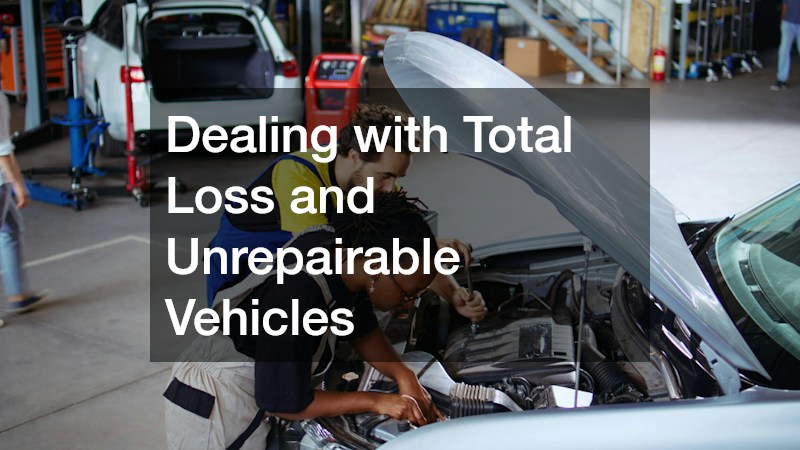
In many collisions, the cost to safely restore a vehicle exceeds its actual economic value, leading the insurance company to declare a “total loss.” The threshold for declaring a vehicle totaled varies by state, typically ranging between 70% and 80% of the vehicle’s pre-crash Actual Cash Value (ACV), or calculated via a Total Loss Formula (Repair Cost + Salvage Value > ACV).
- Establish Accurate Pre-Crash Market Value: Research local retail market listings for identical makes, models, mileage, and option packages rather than accepting the insurer’s initial valuation report.
- Gather Vehicle Maintenance Records: Provide invoices for recent major mechanical upgrades, new tires, or custom features to increase the baseline ACV payout.
- Understand Salvage Title Retainment: Evaluate the financial feasibility of keeping your vehicle on a salvage title if state law permits and repair costs are primarily cosmetic.
When a vehicle is declared a total loss, or when an older model suffers severe frame damage that renders it unsafe for public roads, disposing of the vehicle becomes the primary focus. Selling or donating junk cars to licensed salvage facilities provides a practical way to liquidate non-repairable vehicles, reclaim valuable space, and recover residual cash value from scrap metal and salvageable parts.
Navigating title transfers for non-repairable vehicles requires strict adherence to state motor vehicle regulations. Ensure all legal liens are satisfied, obtain an official salvage or certificate of destruction title, and submit required liability cancellation notices to your local department of motor vehicles. Proper documentation protects you from future civil liability or registration fees associated with the vehicle.
Preserving Long-Term Exterior Finish and Value
Once structural, mechanical, and glass repairs are finished, preserving the aesthetic quality and exterior finish of your vehicle is vital for protecting its long-term resale value. Freshly applied automotive paint requires specialized post-repair care to cure properly and resist environmental degradation such as ultraviolet radiation, acid rain, bird droppings, and road salt.
- Observe Paint Curing Timeframes: Avoid applying traditional paste waxes, harsh chemical cleaners, or commercial automatic car washes for at least 60 to 90 days following body shop painting.
- Practice Safe Washing Techniques: Hand-wash the vehicle using pH-neutral automotive shampoos and microfiber towels to prevent swirl marks and micro-abrasions on the new clear coat.
- Inspect Paint Finish Under Direct Light: Carefully inspect newly painted panels for imperfections like orange peel, runs, pinholes, or color mismatch before accepting final delivery.
After the paint curing period has passed, applying advanced surface protection helps preserve the vehicle’s restored finish. Investing in a professional auto ceramic coating creates a durable chemical bond over the clear coat, offering high hydrophobic properties, enhanced chemical resistance, and long-lasting gloss retention that far outperforms traditional wax products.
Selecting trained detailing specialists for surface preparation and application is essential for optimal performance. High-grade ceramic coating services involve comprehensive surface prep, including multi-stage paint correction to eliminate surface defects before applying the nano-ceramic formula. This protective layer shields restored body panels from premature fading and environmental wear, preserving your vehicle’s appearance for years to come.
Restoring Safety, Value, and Peace of Mind
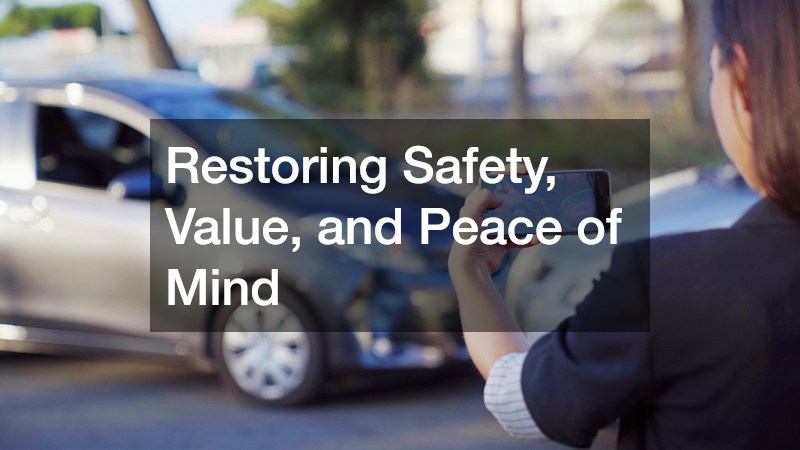
Navigating the aftermath of a car crash requires a structured approach grounded in factual data, technical standards, and an understanding of consumer rights. From the immediate post-crash documentation to the long-term preservation of your vehicle’s exterior finish, every decision you make directly impacts your personal safety, financial standing, and peace of mind. By resisting pressure to rush through repairs or settle claims prematurely, you retain control over the recovery process and ensure that your rights remain fully protected.
Vehicle safety standards and modern repair technologies are continuously evolving, making informed decision-making more important than ever. Prioritizing qualified, certified professionals across every stage of the recovery process guarantees that structural repairs, safety sensor recalibrations, and legal matters are handled with precision. Approaching post-crash recovery methodically transforms a complex, stressful event into a manageable process—allowing you to safely get back on the road with complete confidence in your vehicle’s performance and value.