The immediate aftermath of a car accident is almost always a chaotic and disorienting experience. In the seconds after an impact, your body floods with an intense surge of adrenaline, your heart races, and your mind struggles to process the sudden turn of events.
However, the actions you take in the minutes, hours, and days following a crash are absolutely critical. They will dictate not only how quickly and fully your vehicle is restored to a safe condition, but also how your physical health recovers and how your financial interests are protected through the insurance and legal systems. Navigating this recovery process requires a careful, dual-track approach. You must simultaneously manage your personal physical well-being while overseeing the mechanical and structural restoration of your automobile.
This comprehensive guide will take you step-by-step through the process of managing post-collision automotive damage, documenting injuries, protecting your civil rights, and ensuring that your car is returned to pre-accident standards without cutting vital corners.
Prioritizing Physical Well-being Immediately After Impact
Assess Hidden Injuries and Seek Professional Health Evaluations Right Away
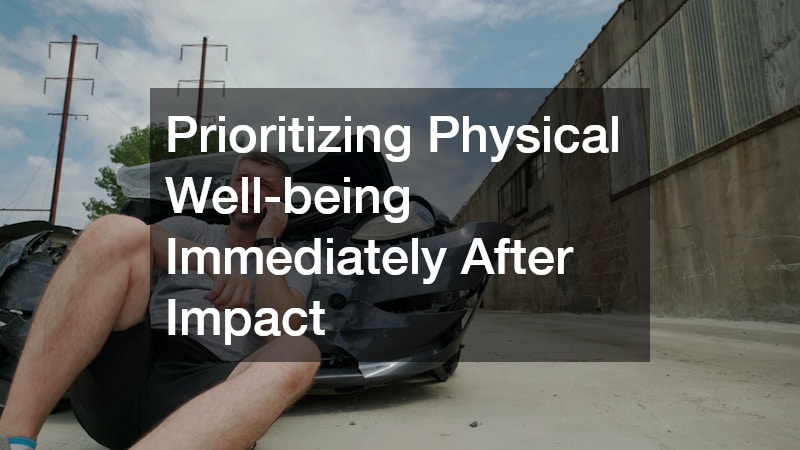
In the minutes immediately following a motor vehicle accident, your primary focus must always be on human life and physical safety. Because of the shock of the event, your body’s natural defense mechanisms will actively mask physical symptoms. Adrenaline and endorphins temporarily block pain signals, meaning you might step out of a mangled vehicle believing you are completely uninjured, only to find yourself in severe, debilitating pain once the chemical surge wears off several hours later. Soft-tissue damage, internal bleeding, and traumatic brain injuries like concussions are notorious for having delayed onset symptoms.
For this reason, medical evaluation should never be considered optional or delayed. Even if you believe you only sustained minor bruises, obtaining immediate medical care is critical for diagnosing underlying whiplash or internal trauma before it worsens. If anyone at the scene complains of severe pain, dizziness, numbness, or shows signs of confusion, emergency medical services should be summoned to the location right away.
The mechanism of the crash should also dictate your healthcare path. For severe collisions involving airbag deployment, a driver should bypass alternative options and go straight to a 24/7 emergency room for comprehensive scans, x-rays, and specialized trauma evaluations. Hospital emergency departments are uniquely equipped with advanced diagnostic equipment to detect microfractures, organ damage, and hidden internal bleeding that a standard physical exam might miss. Establishing an official medical record on the exact day of the accident creates an unbreakable factual link between the collision and your physical condition, which is vital for any subsequent insurance claims.
Immediate scene-safety steps to take before checking vehicle damage:
- Shift the vehicle into park, turn off the ignition, and engage the emergency parking brake.
- Check yourself and all passengers for visible bleeding, deformity, or signs of shock.
- If the vehicle is in a hazardous position and can be driven safely, move it carefully to the shoulder of the road.
- Activate your hazard lights immediately and place flares or reflective triangles if you have them.
Navigating Minor Post-Accident Medical Evaluations

Use Convenient Healthcare Facilities for Non-Life-Threatening Symptoms
Not every car accident requires a high-speed ambulance ride to a major trauma center, but every accident still demands a professional medical signature. If you were involved in a low-speed impact and are certain you did not strike your head or lose consciousness, you may still begin to notice a stiff neck, sore shoulders, or a dull headache as the evening progresses. These symptoms are typically caused by the violent back-and-forth whipping motion of the neck during impact, which stretches and tears the delicate muscles and ligaments supporting the spine.
When dealing with these non-life-threatening, delayed-onset symptoms, visiting a major hospital emergency room can result in long wait times and incredibly high facility fees. If you begin to experience neck stiffness the morning after a fender bender, visiting a local walk-in clinic is a practical way to get checked out quickly by qualified nurse practitioners or physicians. These outpatient centers can perform basic physical exams, prescribe necessary anti-inflammatory medications, and order routine X-rays to ensure your spine is structurally sound.
Beyond the immediate health benefits of receiving a targeted medical assessment, these visits serve an important administrative purpose. Having a doctor document your injuries at this stage provides vital evidence that your car accident lawyer will use to protect your interests during negotiations with insurance adjusters. If you delay your medical evaluation by two or three weeks, the insurance company will almost certainly claim that your injuries were caused by an unrelated event, such as lifting heavy boxes at work or playing weekend sports, completely invalidating your claim for medical coverage.
Protecting Your Legal Rights and Insurance Claims
Consult With Legal Professionals Before Speaking to Insurance Adjusters
While your doctors are focusing on healing your body, you must also take steps to protect your financial and legal standing. Insurance companies are businesses, and their primary goal is to resolve claims as quickly and cheaply as possible. Within days of an accident, an adjuster from the at-fault party’s insurance company will likely call you, offering a seemingly friendly ear and a quick cash settlement. They may ask you to give a recorded statement about the crash or sign general medical release forms.
Accepting an early settlement offer or giving a recorded statement without representation is one of the biggest mistakes a driver can make. At this early stage, you do not yet know the true total cost of your vehicle repairs, nor do you know if your physical injuries will require months of expensive physical therapy. Skilled accident lawyers understand how to counter the tactics used by insurance companies to minimize your payouts, and they will advise you to direct all communication through their office.
Navigating the aftermath of a major crash requires an advocate who knows the intricacies of personal injury protection laws, property damage liability, and diminished vehicle value claims. Conducting a careful search for the best accident attorneys near me ensures you partner with a legal advocate who has a proven track record in your specific jurisdiction. A qualified attorney will gather police reports, interview witnesses, analyze traffic camera footage, and fight to ensure that your final compensation package covers your full medical bills, lost wages from missed work, and the total cost of restoring your automobile to its pre-loss value.
Key pieces of documentation to collect for your legal team:
- The official police report number or the exchange of information form from the responding officer.
- Clear photographs of all vehicles involved, showing the damage from multiple angles and distances.
- Photos of the overall accident scene, including skid marks, missing traffic signs, or construction hazards.
- Comprehensive contact information for any independent witnesses who stopped to help.
Initiating the Mechanical and Structural Restoration
Choose a Certified Facility Equipped for Collision Diagnostics
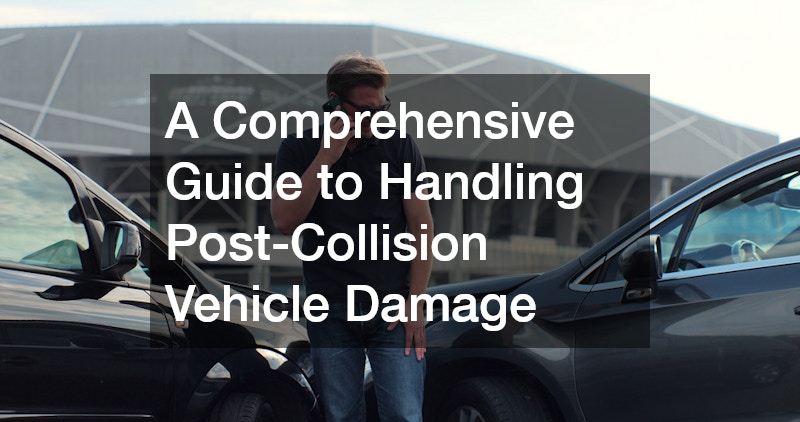
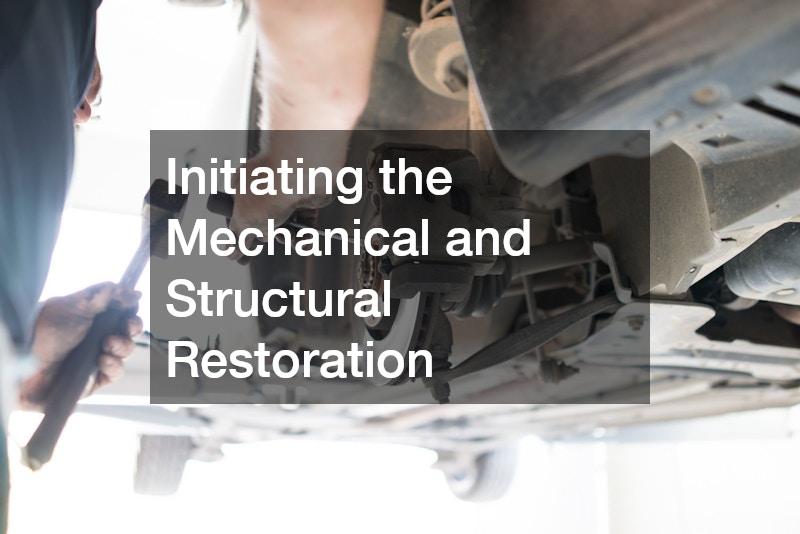
Once your health is stable and your legal protections are in place, you can finally turn your focus directly toward the mechanical restoration of your vehicle. The modern automobile is an incredibly complex machine, featuring advanced crumpled zones, sensitive electrical networks, and integrated safety systems designed to sacrifice the vehicle to protect the passengers. Because of this complexity, the damage caused by a collision extends far beneath the superficial dents on the bumper or scratches on the fender panels.
When arranging for repairs, remember that you have the legal right to choose where your car is fixed. Insurance companies will often push you toward their preferred direct-repair programs, but you are not obligated to use their suggested shops. Restoring your vehicle to its pre-crash condition requires a highly comprehensive car repair service that addresses both mechanical and aesthetic damage, utilizing original factory specifications.
Frame and unibody damage can be invisible to the naked eye, yet it can completely compromise the vehicle’s ability to protect you in a future accident. Transporting your vehicle to a trusted local auto repair shop allows you to oversee the progress and communicate directly with the technician handling your engine or suspension. Ensure the facility you choose utilizes computerized frame-alignment machines to verify that the car’s structural chassis is perfectly square. Furthermore, a reputable shop will perform a complete diagnostic scan of your vehicle’s onboard computer network to clear hidden fault codes and ensure that your airbags, anti-lock brakes, and crumple-zone sensors are fully functional before you drive away.
Restoring Visibility and Final Aesthetic Details
Replace Damaged Safety Glass and Match Affected Window Treatments
The final phase of returning a vehicle to its pre-accident condition involves addressing specialized components like the automotive glass and specialized exterior treatments. During a collision, the windshield and side windows are subjected to immense structural stress. Modern automotive glass is engineered as a structural component of the cabin; in a rollover accident, the windshield provides up to forty percent of the roof’s structural support, preventing it from caving in on the occupants.
If your vehicle’s glass was cracked, chipped, or shattered during the impact, it cannot simply be ignored or patched with cheap retail resins. Promptly scheduling auto glass repairs is essential, as even a minor spiderweb crack can quickly shatter under highway wind pressures or extreme temperature changes. Furthermore, if your modern vehicle features Advanced Driver Assistance Systems—such as lane-keep assist or automatic emergency braking cameras mounted behind the rearview mirror—the windshield must be replaced with high-grade glass, and the camera sensors must be meticulously recalibrated by a technician to ensure they read the road markings accurately.
Once the structural glass is completely restored, you must also look at restoring any specialized coatings or films that were present on the original windows. If your car featured aftermarket UV protection or privacy tinting before the wreck, the newly installed glass will be completely clear, leaving your vehicle looking unfinished and exposed to interior solar heat. Once the glass is physically replaced, utilizing professional local tint services will restore your vehicle’s heat rejection and uniform aesthetic. A professional technician can precisely match the shade and heat-rejection qualities of the existing window films on the undamaged side of your car, ensuring a flawless, consistent look across the entire vehicle profile.
Signs that an automotive glass replacement was performed incorrectly:
- A distinct whistling or rushing wind noise comes from the edges of the glass at high speeds.
- Water droplets weeping or pooling on the dashboard during a heavy rainstorm or car wash.
- Wavy distortions or blurred spots in your direct line of sight while looking through the new windshield.
- Unexplained warning lights or malfunctioning lane-departure alerts appearing on your dashboard instrument cluster.
Managing the Insurance Appraisal Process
Monitor the Vehicle Valuation to Avoid an Unfair Total Loss Declaration
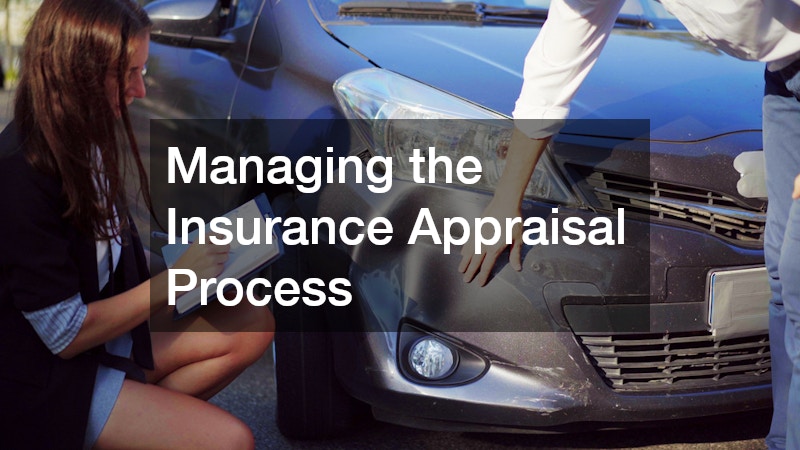
As the repair process moves forward, you will need to stay in constant communication with both your chosen repair facility and your insurance adjuster regarding the overall financial cost of the repairs compared to the actual cash value of the vehicle. Insurance companies use specific mathematical thresholds to determine whether a vehicle should be repaired or declared a total loss. In many jurisdictions, if the total cost of parts and labor approaches seventy to eighty percent of the car’s pre-accident market value, the insurer will write the car off as a total loss, seize the title, and offer you a payout for the vehicle’s depreciated worth.
Monitoring this valuation process closely is critical for protecting your household finances, especially if you still owe money on an active auto loan. Ensure that the insurance appraiser uses accurate, local market data when determining what your car was worth right before the crash occurred. They must take into account recent mechanical upgrades, brand-new tires, premium trim packages, and the exceptionally low mileage your vehicle may have had.
If the repair shop uncovers hidden damage mid-project, they will submit a supplemental repair request to the insurance company for additional funds. Keep a detailed log of these updates and ensure your legal representative is aware of any shifting numbers. If the car is ultimately repaired, remember to file a separate diminished value claim through your insurance provider. Even a perfectly repaired car loses substantial market value simply because it now carries an accident history on public vehicle history reports; a diminished value claim helps recoup that specific financial loss, ensuring you are made completely whole.
Conclusion
Successfully recovering from a motor vehicle accident is a multi-step process that requires patience, organization, and a refusal to compromise on safety. By prioritizing immediate medical care and receiving a comprehensive health evaluation, you protect your body from delayed physical complications and establish the necessary evidence to support your legal claims. Working with credentialed legal advocates and refusing to accept early, lowball insurance settlements preserves your financial well-being and gives you the resources required to fund proper vehicle restoration. Finally, choosing a certified, independent repair shop to manage your mechanical alignment, safety glass replacement, and final aesthetic treatments ensures that your car will be just as safe and reliable as it was before the crash. Stay organized, keep precise records of every conversation, and take a methodical approach to return your life and your vehicle safely back to the open road.