Vehicle reliability is not just about avoiding inconvenient breakdowns. It is about protecting your investment, ensuring passenger safety, maintaining fuel efficiency, and extending the lifespan of critical automotive systems. Every season introduces unique challenges that place stress on different parts of a vehicle. During summer, excessive heat can strain engines, batteries, and cooling systems. Winter often creates difficulties with cold starts, reduced tire pressure, and increased wear on batteries. Spring rain can contribute to visibility concerns and slippery road conditions, while fall leaves and debris may clog drainage systems and reduce overall performance.
Drivers who take a proactive approach to maintenance are often rewarded with fewer repair bills and greater peace of mind. Small issues that are identified early are typically easier and less expensive to fix than major failures that develop over time. Creating a year-round maintenance plan allows vehicle owners to stay ahead of seasonal challenges and avoid unexpected disruptions. By focusing on preventive care, regular inspections, and timely repairs, drivers can enjoy dependable performance throughout the year regardless of road conditions or weather changes.
Build a Reliable Emergency Preparedness Plan
Even the most carefully maintained vehicles can experience unexpected mechanical problems. A dead battery, overheating engine, or flat tire can occur at inconvenient times, making preparation an essential part of responsible vehicle ownership.
One of the smartest steps drivers can take is researching reputable tow truck services before they need assistance. Waiting until an emergency occurs often leads to rushed decisions. Knowing which provider to contact can save time, reduce stress, and help ensure your vehicle receives professional care when a breakdown occurs.
Important emergency items every vehicle should carry include:
- Flashlights with extra batteries
- Reflective safety triangles
- Jumper cables or a battery jump pack
- Basic first-aid supplies
- Bottled water and nonperishable snacks
- A portable phone charger
- Seasonal emergency gear
Drivers should also familiarize themselves with common warning signs that indicate developing mechanical problems. Strange noises, vibrations, fluid leaks, overheating, reduced acceleration, or dashboard warning lights should never be ignored. Addressing these issues promptly often prevents expensive repairs and dangerous roadside situations.
A prepared driver is much better equipped to navigate unexpected circumstances. Taking time to create an emergency plan helps ensure that minor vehicle problems do not become major disruptions to travel, work, or family responsibilities.
Monitor Hydraulic Systems Before Problems Escalate
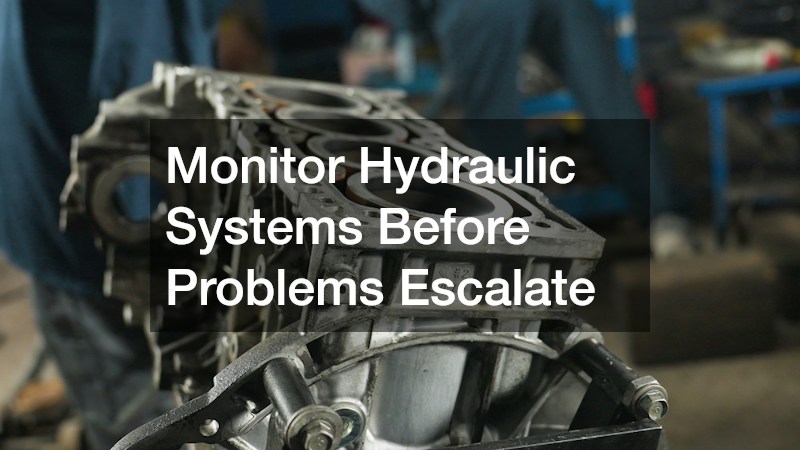
Certain vehicles and work equipment depend on hydraulic systems for safe and efficient operation. These systems often withstand significant pressure and repetitive use, making routine inspections especially important.
Scheduling a hydraulic cylinder service as part of your maintenance program can help identify wear before it leads to equipment failure. Hydraulic components often experience gradual deterioration that may not be immediately noticeable until major performance problems emerge.
Areas that deserve regular attention include:
- Hydraulic hoses
- Seals and gaskets
- Cylinders and pistons
- Hydraulic fluid levels
- Connection points and fittings
- Pressure-control systems
Hydraulic leaks may begin as relatively small issues but can quickly affect overall functionality. Seasonal temperature changes can also influence hydraulic fluid performance, causing systems to respond differently throughout the year. Cold temperatures may increase fluid viscosity, while high temperatures can accelerate component wear.
Vehicle owners and fleet managers who prioritize routine hydraulic inspections often experience fewer operational interruptions. Consistent service not only improves reliability but also helps extend the lifespan of expensive components. When hydraulic systems function properly, equipment performs more efficiently and safely, reducing downtime and lowering long-term ownership costs.
Protect Engine Performance During Seasonal Changes
The engine is the heart of any vehicle, and maintaining its health throughout the year requires attention to changing environmental conditions. Seasonal shifts can affect fuel delivery, lubrication, cooling, and battery performance.
Owners of diesel-powered vehicles often rely on professional diesel shops for specialized maintenance and inspections. Diesel engines have unique requirements that benefit from expert evaluation, especially before periods of heavy usage or extreme weather.
To support engine reliability, drivers should:
- Replace air and fuel filters regularly
- Monitor coolant condition
- Check engine belts and hoses
- Follow manufacturer oil-change intervals
- Inspect battery connections
- Address warning lights immediately
During winter, engines work harder during startup because fluids thicken in cold temperatures. During summer, excessive heat places additional demands on cooling systems and lubricants. These seasonal stresses make preventive inspections particularly valuable.
A well-maintained engine provides numerous benefits beyond reliability. It can improve fuel efficiency, maximize performance, reduce emissions, and help avoid costly repairs. Consistent maintenance ensures that critical systems continue working effectively regardless of outside temperatures or driving conditions.
Keep Interior Comfort Systems Operating Efficiently
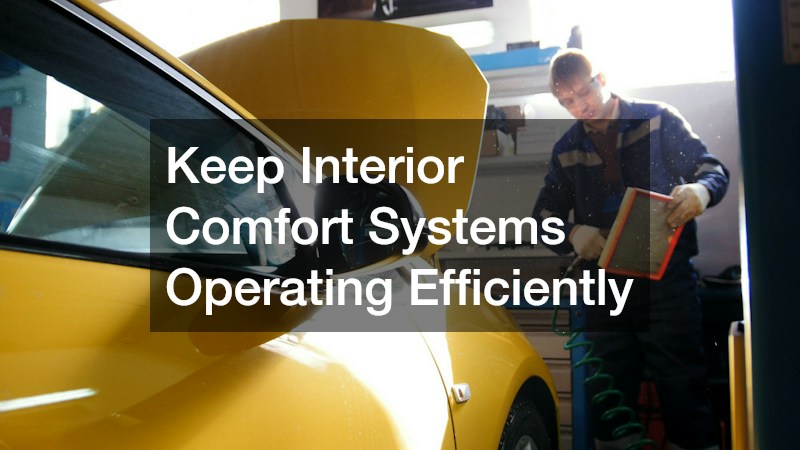
Comfort systems contribute significantly to the overall driving experience. Beyond convenience, they play a vital role in visibility, air quality, and driver alertness throughout the year.
Many drivers postpone car ac repair until a complete failure occurs, but addressing minor problems early often prevents larger and more expensive repairs. Weak airflow, unusual odors, inconsistent temperatures, or unusual noises may indicate developing issues within the system.
To maintain optimal climate control performance:
- Replace cabin air filters regularly
- Keep vents clean and unobstructed
- Monitor airflow consistency
- Address refrigerant leaks promptly
- Inspect belts connected to climate-control components
- Test heating and cooling functions seasonally
Proper climate control affects more than passenger comfort. Defrosting systems improve visibility during rain and winter conditions, while efficient cooling systems help reduce fatigue during long drives.
Regular inspections can often reveal developing concerns before they compromise system performance. Maintaining comfortable cabin conditions supports safer driving and contributes to a more enjoyable experience regardless of season or travel distance.
Prepare Recreational Vehicles for Every Adventure
Recreational vehicles require extensive maintenance due to their size, complexity, and exposure to varying travel conditions. Unlike standard passenger vehicles, RVs incorporate multiple systems that must operate together reliably.
Scheduling professional rv repair service before major trips allows owners to identify issues that could otherwise lead to costly interruptions while traveling. Thorough inspections are especially important after long periods of storage.
Key maintenance priorities include:
- Roof inspections
- Seal and weatherproofing checks
- Tire evaluations
- Battery testing
- Plumbing inspections
- Electrical system assessments
- Generator servicing
Storage periods can be particularly challenging for RVs. Moisture intrusion, battery degradation, pest damage, and tire deterioration can develop when vehicles sit unused for extended periods.
Creating a maintenance checklist before each travel season helps owners stay organized and proactive. Consistent inspections reduce the likelihood of unexpected breakdowns and support safer, more enjoyable journeys. Proper maintenance also helps preserve the significant investment that many owners make in recreational vehicles.
Improve Cold-Weather Starting and Winter Convenience
Winter presents some of the toughest conditions a vehicle will face all year. Cold temperatures affect nearly every system, from batteries and fluids to tires and visibility equipment.
Many owners choose to work with a qualified car remote starter installer to enhance convenience and improve the vehicle’s readiness during harsh weather. Starting a vehicle before entering allows the cabin to begin warming while reducing discomfort during cold mornings.
Essential winter-preparation tasks include:
- Testing battery condition
- Replacing worn windshield wipers
- Checking antifreeze protection levels
- Monitoring tire tread depth
- Verifying proper tire pressure
- Stocking emergency winter supplies
Cold weather often reveals weaknesses that may go unnoticed during warmer months. Older batteries, weakened charging systems, or deteriorated belts frequently fail when temperatures drop significantly.
Investing time in winter preparation can greatly reduce the chances of breakdowns. Drivers who inspect critical systems before severe weather arrives often enjoy safer travel, improved reliability, and greater confidence behind the wheel throughout the winter season.
Follow Specialized Maintenance Requirements
Luxury and performance vehicles frequently require maintenance procedures that differ from those used for standard passenger cars. Specialized engineering often demands greater precision and expertise.
Many owners seek local porsche repair services because these vehicles rely on advanced systems that benefit from manufacturer-specific knowledge and equipment. Following recommended service schedules helps preserve both performance and value.
Important maintenance priorities include:
- Routine fluid analysis
- Scheduled brake inspections
- Tire rotation and balancing
- Suspension evaluations
- Performance-system diagnostics
- Software updates
Performance vehicles often operate with tighter tolerances and more sophisticated technology than conventional automobiles. Minor maintenance oversights can sometimes lead to noticeable declines in performance and efficiency.
Regular inspections performed by qualified professionals help identify concerns before they affect drivability. Consistent maintenance supports reliability while preserving the unique characteristics that make high-performance vehicles enjoyable to own and operate throughout every season.
Practice Safe Towing and Hauling Techniques
Towing adds additional responsibilities that require attention throughout the year. Improper preparation can increase wear on vehicles while creating unnecessary safety risks on the road.
Drivers who regularly use utility trailers should conduct thorough inspections before every trip. Small issues such as loose connections or underinflated tires can quickly become serious problems during transportation.
A comprehensive towing inspection should include:
- Hitch security verification
- Tire-pressure checks
- Trailer light testing
- Brake inspections
- Safety-chain examination
- Load balancing verification
Weather conditions can significantly affect towing performance. Rain, snow, ice, and strong winds demand additional caution and may require slower travel speeds.
Routine maintenance of both the tow vehicle and trailer helps improve stability and reduce equipment failures. Consistent inspections allow drivers to identify potential concerns early, contributing to safer transportation and more dependable performance during hauling operations throughout the year.
Create a Response Plan for Roadside Breakdowns

Every driver should have a clear strategy for handling unexpected roadside situations. A breakdown can occur without warning, making preparation essential.
Identifying a trusted local tow truck service before an emergency takes place can help streamline the recovery process. Knowing who to call eliminates uncertainty during stressful situations and may reduce delays.
When experiencing a breakdown, drivers should:
- Move to a safe location when possible
- Activate hazard lights immediately
- Stay aware of surrounding traffic
- Communicate location details accurately
- Remain calm and organized
- Follow professional guidance
Many roadside emergencies become more manageable when drivers remain prepared. Keeping insurance information, registration documents, and emergency contacts readily available can significantly simplify the process.
Preparation is often the difference between a minor inconvenience and a prolonged disruption. Establishing a roadside response plan helps improve safety while reducing stress during unexpected mechanical failures.
Protect Your Interests After an Accident
Even careful drivers can become involved in collisions. Understanding how to respond appropriately after an accident is a critical aspect of responsible vehicle ownership.
In some situations, individuals may consult a car accident lawyer to better understand their rights and responsibilities when dealing with insurance claims or disputes. Proper documentation is often one of the most valuable tools available after a collision.
Acting quickly and methodically after an accident can help preserve important details that may become harder to recall later. Drivers should keep copies of police reports, medical records, repair estimates, and correspondence with insurance providers in a secure location. Maintaining organized records can streamline the claims process and reduce confusion during negotiations. It is also important to avoid making assumptions about fault at the scene and instead focus on gathering accurate information. Taking a proactive and informed approach after a collision can help protect financial interests, support a smoother recovery process, and minimize unnecessary complications in the weeks that follow.
Important post-accident steps include:
- Checking for injuries
- Contacting emergency services when necessary
- Taking photographs of damage
- Gathering witness information
- Exchanging insurance details
- Keeping repair records organized
Remaining calm can help improve decision-making during an emotionally stressful situation. Accurate documentation often strengthens communication with insurance providers and supports a smoother claims process.
Drivers who understand these procedures before an accident occurs are typically better prepared to protect their interests while focusing on safety and recovery. Preparation and organization play major roles in minimizing complications after a vehicle collision.
Keeping a vehicle reliable through every season requires commitment, consistency, and attention to detail. Weather changes, road conditions, mileage accumulation, and everyday wear all contribute to the challenges that vehicles face throughout the year. Fortunately, many of the most common problems can be prevented through proactive maintenance and careful planning.
Routine inspections provide opportunities to catch developing issues before they result in costly repairs or inconvenient breakdowns. Monitoring critical systems such as batteries, tires, engines, cooling systems, and safety equipment helps ensure dependable performance regardless of seasonal conditions. Establishing maintenance schedules and responding quickly to warning signs can significantly improve both vehicle longevity and driver confidence.
Whether you drive a daily commuter, performance vehicle, recreational vehicle, or work truck, preventive care remains one of the most effective ways to protect your investment. By taking a year-round approach to vehicle maintenance and preparedness, you can enjoy safer travel, lower ownership costs, and greater peace of mind every time you get behind the wheel.