Modifying a vehicle is about more than just making it look different. Done correctly, upgrades can improve performance, increase comfort, and extend the life of your car or truck. The key is to approach modifications with a clear plan and an understanding of how each change affects the overall system.
Some upgrades deliver immediate visual impact, while others quietly improve how your vehicle drives and handles over time. The most successful builds strike a balance between function and appearance, ensuring that style never comes at the expense of reliability or safety.
This guide walks through practical, real-world strategies to help you make smart modification decisions that enhance both performance and aesthetics.
Evaluate Your Vehicle’s Current Condition Before Modifying
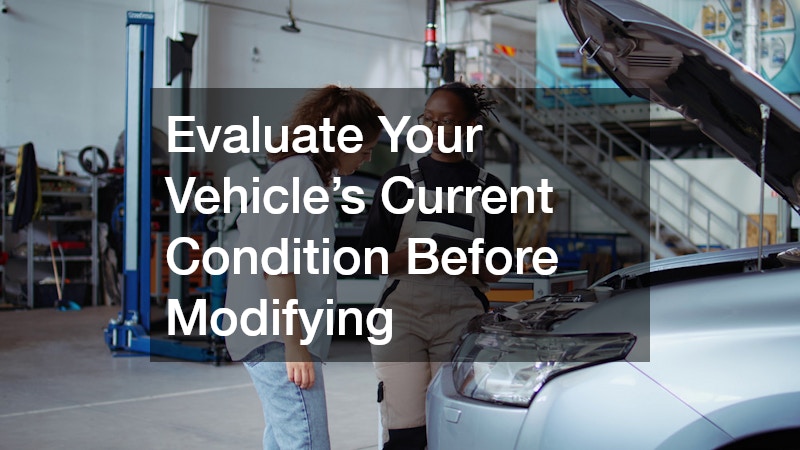
Before making any upgrades, take a step back and evaluate your vehicle’s current condition. Modifications should build on a solid foundation, not compensate for underlying problems. Skipping this step can lead to wasted money and poor performance.
Start by looking at the basics:
- Check for fluid leaks, unusual noises, or warning lights
- Inspect the condition of belts, hoses, and filters
- Look for signs of rust, dents, or structural wear
Addressing issues through automotive repair ensures that your vehicle is mechanically sound before you invest in enhancements. For example, upgrading performance components on a car with engine or drivetrain issues can actually worsen reliability.
The same applies to the exterior condition. If your vehicle has dents, scratches, or rust, consider resolving these issues with auto body repair before adding cosmetic upgrades. A clean, well-maintained surface will provide a better base for any visual improvements you plan to make later.
Taking the time to fix existing problems first helps ensure that every upgrade you add performs as intended and lasts longer.
Choose the Right Tires for Performance and Safety
Your tires are one of the most important components affecting both performance and safety. Choosing the right set can significantly improve handling, traction, and ride quality.
When selecting tires, consider:
- Your typical driving conditions, such as city, highway, or off-road
- Weather patterns in your area
- Desired balance between performance and durability
Performance-oriented tires provide better grip and responsiveness but may wear faster. All-season options offer versatility, while off-road tires are designed for rugged terrain and durability.
Proper sizing is also critical. Larger tires can improve ground clearance and visual presence, but they may impact fuel efficiency and handling if not matched correctly with your vehicle’s setup.
To maximize the lifespan of your tires:
- Rotate them regularly
- Maintain proper air pressure
- Check alignment periodically
Upgrading your tires is one of the most effective ways to improve both function and appearance without making major structural changes.
Upgrade Suspension for Better Handling and Ground Clearance
Suspension upgrades can dramatically change how your vehicle performs and feels on the road. Whether your goal is improved handling or increased height, the right setup makes a noticeable difference.
If you’re looking to improve off-road capability or achieve a more aggressive stance, lift kits are a common solution. They raise the vehicle’s body, providing additional clearance and allowing for larger tires.
When considering suspension changes:
- Decide whether your priority is comfort, performance, or appearance
- Ensure compatibility with your vehicle’s existing components
- Plan for a professional alignment after installation
Keep in mind that raising your vehicle can affect handling and stability. It’s important to choose a balanced setup that maintains safe driving characteristics.
For those focused on on-road performance, suspension tuning can reduce body roll and improve cornering. Even small upgrades, such as improved shocks or struts, can enhance ride quality and responsiveness.
A well-planned suspension upgrade not only improves function but also gives your vehicle a more commanding presence.
Improve Exterior Style Without Permanent Changes
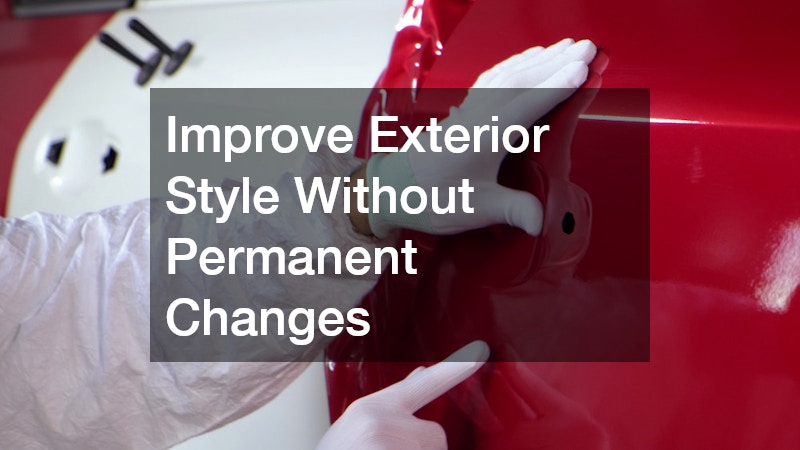
Enhancing your vehicle’s appearance does not always require permanent alterations. There are flexible options that allow you to customize the look while preserving the original finish.
One popular approach is vinyl wrap, which offers a wide range of colors, textures, and finishes. This option allows you to completely change the look of your vehicle or add accents without repainting.
Benefits include:
- Protection for the original paint
- Easy removal or replacement
- Lower cost compared to full repainting
When choosing a design, aim for a cohesive look that complements your vehicle’s shape and style. Overly complex patterns or clashing colors can reduce visual appeal rather than enhance it.
Proper installation is key. A high-quality wrap applied by experienced professionals will last longer and maintain a cleaner appearance.
This type of upgrade provides a strong visual impact while keeping your options open for future changes.
Enhance Visibility and Comfort With Smart Glass Upgrades
Improving visibility and cabin comfort is an often-overlooked aspect of vehicle modification. Upgrading your glass components can make driving safer and more enjoyable.
Custom glass solutions can improve clarity, reduce glare, and enhance overall visibility. This is especially useful for drivers who frequently travel at night or in challenging weather conditions.
Window tinting is another practical upgrade that offers both functional and aesthetic benefits. It helps block heat and UV rays, keeping the interior cooler and protecting surfaces from fading.
When considering these upgrades:
- Check local regulations regarding tint levels
- Choose high-quality materials for durability
- Ensure proper installation for a clean finish
These changes not only improve comfort but also add a sleek, polished look to your vehicle.
Refresh Interior Comfort and Functionality
The interior of your vehicle plays a major role in your overall driving experience. Updating worn or outdated components can make a significant difference in comfort and usability.
Car upholstery upgrades are one of the most effective ways to transform the interior. Replacing old materials with durable, modern options can improve both appearance and comfort.
Consider the following:
- Choose materials that match your lifestyle, such as leather for a premium feel or fabric for practicality
- Upgrade seat padding for better support
- Coordinate colors with the rest of the interior
Additional improvements might include updated flooring, improved lighting, or better storage solutions.
A well-designed interior not only looks better but also makes daily driving more enjoyable and comfortable.
Know When to Invest in Major Mechanical Improvements
Some modifications go beyond aesthetics and require significant mechanical work. Understanding when to invest in these upgrades can help you avoid unnecessary expenses.
If your vehicle is experiencing performance issues, it may be time to consider more extensive work, such as a transmission rebuild. This type of upgrade can restore performance and extend the life of your drivetrain.
Signs that major work may be needed include:
- Slipping gears or delayed shifting
- Unusual noises during acceleration
- Decreased fuel efficiency
While these upgrades require a larger investment, they can provide long-term value when done correctly.
Always consult experienced professionals and weigh the cost against the overall value of your vehicle before proceeding.
Work With the Right Professionals for Quality Results
Choosing the right professionals is critical to the success of any modification project. Poor workmanship can lead to performance issues, safety concerns, and additional costs. Even high-quality parts can fail to deliver results if they are installed incorrectly or without proper attention to detail.
When evaluating auto body shops or service providers:
- Look for certifications and experience: Qualified technicians should have formal training and relevant certifications that demonstrate their expertise. Experience with similar projects is especially important, as it shows they understand the specific challenges and requirements involved. A shop that regularly handles modifications like yours is more likely to deliver consistent, high-quality results.
- Read customer reviews and testimonials: Feedback from previous clients can provide valuable insight into a shop’s reliability, professionalism, and workmanship. Look for patterns in reviews rather than focusing on a single opinion. Consistent positive feedback about communication, timelines, and final results is a strong indicator of a trustworthy provider.
- Ask for examples of previous work: Seeing completed projects helps you evaluate the quality and style of a shop’s work. This can include before-and-after photos or even in-person examples. Reviewing past work allows you to determine whether their capabilities align with your expectations and the level of detail you want for your vehicle.
Communication is also important. A good professional will take the time to understand your goals and provide clear recommendations. They should be able to explain options, outline potential challenges, and set realistic expectations for both results and timelines. Transparent communication reduces misunderstandings and helps ensure the final outcome matches your vision.
Working with skilled technicians ensures that your upgrades are installed correctly and perform as expected. It also provides peace of mind knowing that your vehicle is being handled with care and expertise throughout the entire process.
Balance Performance Upgrades With Daily Usability
It can be tempting to pursue aggressive modifications, but it’s important to consider how your vehicle will be used on a daily basis. A setup that looks impressive or performs well in a specific scenario may not translate well to everyday driving. Ride quality, noise levels, and ease of use can all be affected by certain upgrades, especially if they are not carefully matched to your needs.
Ask yourself:
- Will this upgrade make driving more difficult or less comfortable? Some modifications can stiffen the ride, reduce visibility, or make steering feel heavier. While these changes might improve performance in certain situations, they can become frustrating during daily commutes or long trips. Think about how often you drive in traffic, park in tight spaces, or take longer drives, and consider whether the upgrade will enhance or hinder those experiences.
- Does it impact fuel efficiency or maintenance costs? Performance-focused changes often come with trade-offs. Heavier components, larger setups, or added strain on the engine can reduce fuel efficiency. Additionally, certain upgrades may require more frequent servicing or specialized parts, increasing long-term costs. Make sure you are prepared for both the upfront investment and the ongoing maintenance requirements.
- Is it practical for your typical driving conditions? Consider the roads and environments you drive in most often. Urban streets, highways, and rough terrain all demand different setups. An upgrade that performs well in one setting may be less effective or even inconvenient in another. Matching your modifications to your real-world driving conditions ensures that they deliver consistent value.
Striking the right balance ensures that your vehicle remains enjoyable and functional over time. The goal is to enhance your driving experience without creating unnecessary compromises that affect comfort, reliability, or usability.
Planning upgrades in stages can also help you manage costs and evaluate the impact of each change before moving on to the next. By making incremental improvements, you can better understand how each modification affects your vehicle and make more informed decisions about future upgrades.
Create a Long-Term Maintenance Plan After Modifications
Once your upgrades are complete, ongoing maintenance becomes even more important. Modified vehicles often require additional care to keep everything running smoothly. New components can change how different systems interact, which means small issues can develop faster if they are not monitored closely.
Develop a routine that includes:
- Regular inspections of new components: Take time to visually and physically inspect upgraded parts on a consistent basis. Look for signs of wear, loose connections, fluid leaks, or unusual noises. Catching minor problems early can prevent more serious damage and costly repairs. It is also helpful to schedule periodic professional inspections to ensure everything is functioning as intended.
- Adjusted service intervals based on usage: Modifications can place additional stress on certain systems, especially if your vehicle is used for performance driving, towing, or off-road conditions. This often means shortening the time between oil changes, filter replacements, and other routine services. Pay attention to how your vehicle responds after upgrades and adjust your maintenance schedule accordingly to maintain peak performance.
- Keeping detailed records of all modifications: Maintain a clear record of every upgrade, including installation dates, parts used, and any service performed. This documentation helps track the lifespan of components and makes it easier to diagnose issues if they arise. It also adds value if you decide to sell the vehicle, as buyers appreciate a well-documented maintenance history.
Staying proactive with maintenance helps protect your investment and ensures that your vehicle continues to perform at its best.
Conclusion
Vehicle modifications can be a rewarding way to enhance both performance and appearance when approached thoughtfully. By focusing on quality upgrades, working with experienced professionals, and maintaining a long-term perspective, you can create a vehicle that not only looks great but also performs reliably in everyday use.